Revolutionizing Rail Transport: The Launch of New NiCd Battery for Bullet Trains
NICD BATTERY
Introduction to the New NiCd Battery
In a significant advancement for rail transport, a new Nickel Cadmium (NiCd) battery has been launched specifically designed for bullet trains. As the demand for more efficient and sustainable energy sources grows, this innovative battery offers promising features that enhance the performance and reliability of high-speed trains.
Technical Features and Benefits
This latest NiCd battery boasts several technical improvements over its predecessors. One of the most notable enhancements is its extended lifespan, which assures operators of minimal maintenance needs while maximizing uptime. With the capability to withstand extreme temperatures and deep discharges, the battery ensures consistent performance in varied environmental conditions.
Moreover, the new design has effectively minimized weight without compromising power output. This reduction in weight is crucial for bullet trains, as it directly correlates with energy efficiency and speed. By integrating advanced materials and innovative engineering techniques, manufacturers have succeeded in creating a battery that aligns with the high demands of modern rail systems.
Impact on Bullet Train Operations
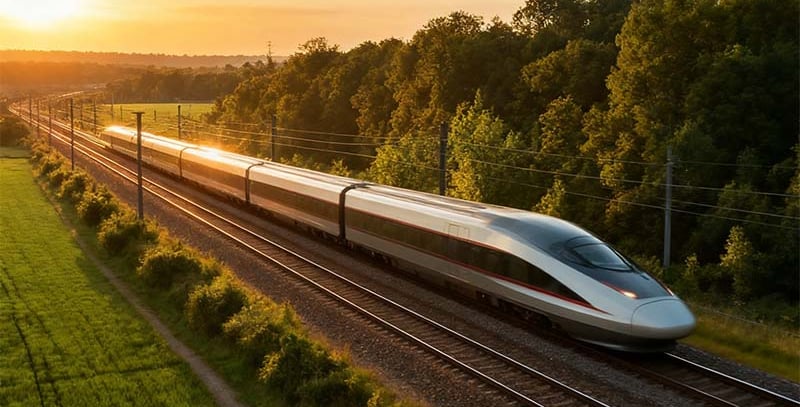
The introduction of this NiCd battery marks a pivotal moment in the evolution of bullet train operations. As the backbone of high-speed rail networks, the reliability of energy sources is paramount. With this new battery technology, operators can expect enhanced energy efficiency that translates to cost savings and a lower carbon footprint.
Additionally, this battery brings about improved energy recovery systems, which allow for the capture and reuse of energy generated during braking. This innovation not only optimizes energy usage but also contributes significantly to the overall sustainability of train operations.
In conclusion, the launch of the new NiCd battery tailored for bullet trains represents a landmark advancement in rail technology. As countries continue to prioritize green energy solutions and efficient public transport systems, this battery is a step towards a more sustainable future for high-speed rail travel. The successful implementation of this battery could set new standards in performance and environmental responsibility in the rail industry.